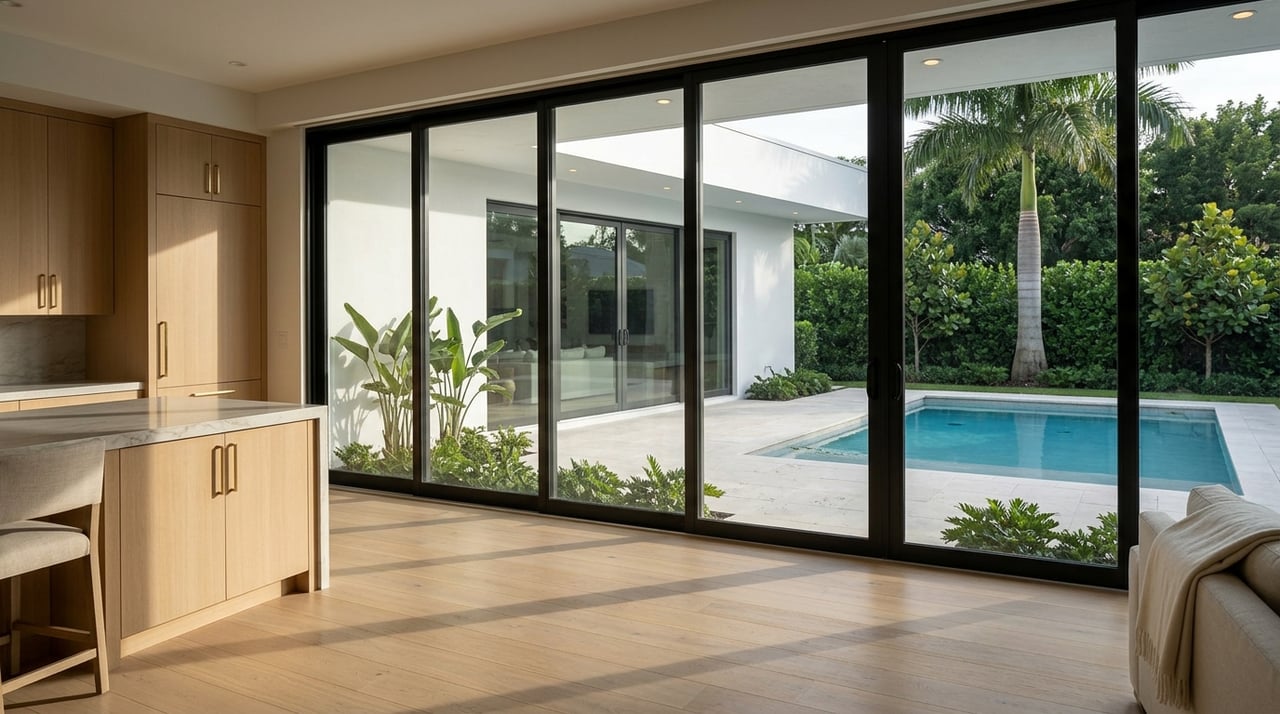
Coconut Grove Single-Family Homes Buyer Guide
Erika Rodriguez June 18, 2026
Erika Rodriguez June 18, 2026
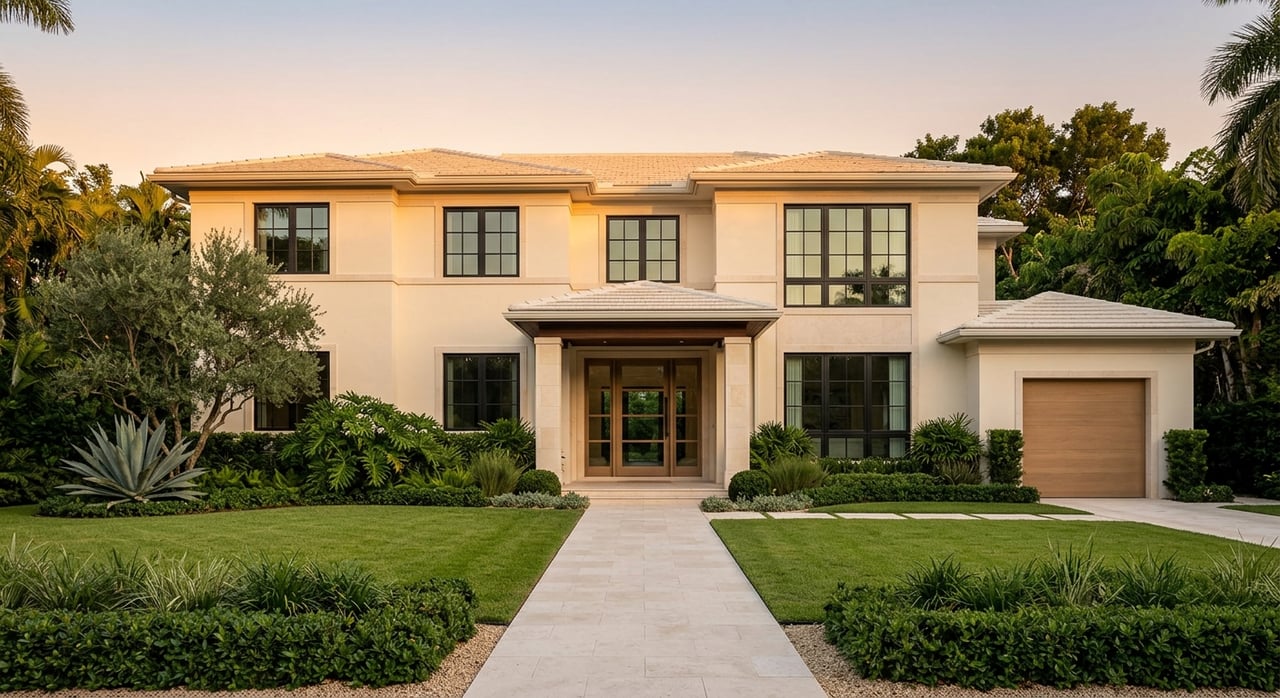
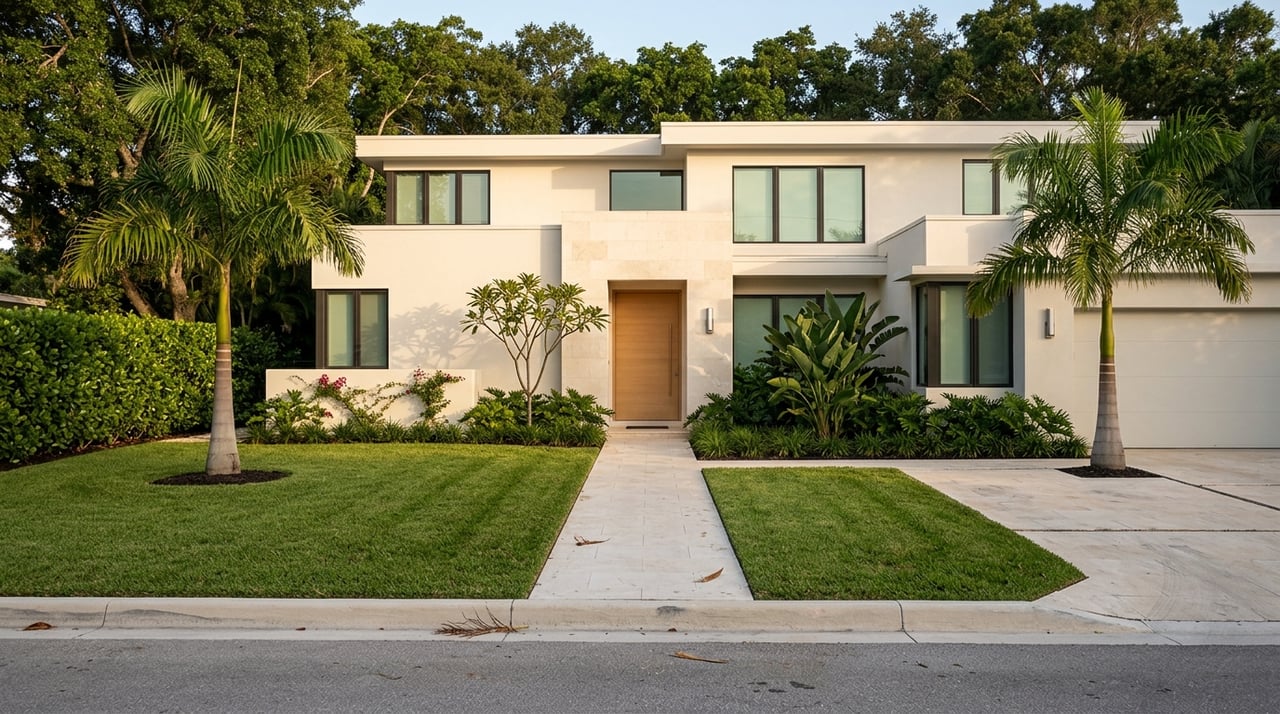
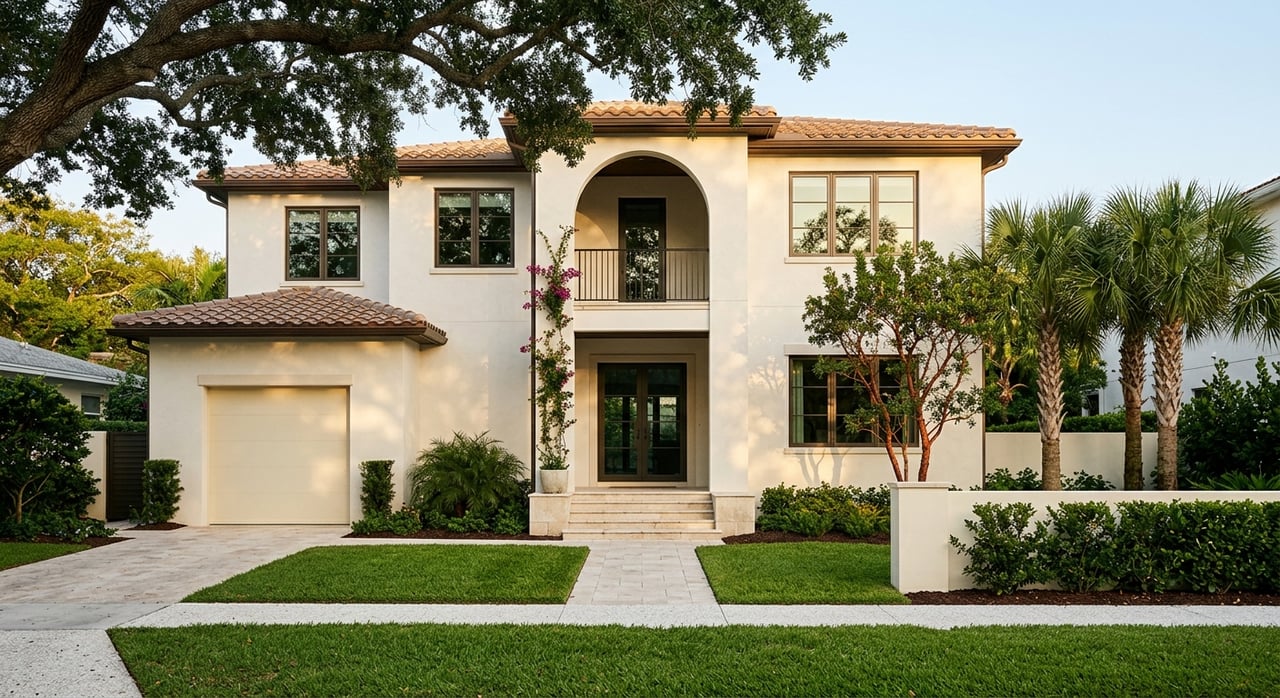
Are you dreaming about a Coconut Grove house but wondering what really matters beyond the photos and price tag? If so, you are asking the right question. Buying a single-family home in the Grove is often as much about the lot, zoning, flood exposure, and long-term lifestyle fit as it is about bedrooms and finishes. This guide will help you understand how the market works, what makes one block feel different from the next, and what to look for before you make an offer. Let’s dive in.
Coconut Grove sits at the luxury end of Miami’s housing market, and the numbers reflect that. Recent neighborhood data shows a median sale price of about $1.72M over the last three months, with prices up 1.0% year over year. Homes have also been taking about 83.5 days to sell and closing at roughly 6% below list price.
That context matters when you compare the Grove to the broader county market. In April 2026, Miami-Dade County’s median sale price for single-family homes was $670,000, with 5.4 months of supply. In other words, buying a house in Coconut Grove usually means entering a more premium, more specialized market where property differences can have a major effect on value.
One of the biggest mistakes buyers make is treating Coconut Grove like one uniform neighborhood. It is not. The City of Miami’s district description breaks the area into North Grove, Center Grove, South Grove, and Village Center, which means you are really shopping across several micro-markets.
Those sections can feel very different from each other because the Grove is shaped by more than just housing. The city describes the area through its lush vegetation, unique lots, bay views, proximity to Biscayne Bay, public open space, recreational opportunities, and commercial services. That mix helps explain why two homes with similar square footage can have very different pricing and appeal.
Bay-adjacent properties are generally concentrated more toward the east and south, while Center Grove is more inland. If your priorities include being closer to the water, a larger lot, or a more tucked-away residential setting, your search strategy should reflect that from day one.
In a premium neighborhood, pricing strategy matters just as much as desire. Even though Coconut Grove is expensive, recent data suggests buyers may still have room to negotiate, since homes have been averaging about 6% below list price. That does not mean every home is negotiable in the same way, but it does mean list price should not be your only guide.
Days on market also tell an important story. At about 83.5 days, homes are not necessarily moving overnight. That can create opportunity for buyers who are prepared, informed, and focused on the right mix of condition, location, and future ownership costs.
A thoughtful offer in Coconut Grove should take into account:
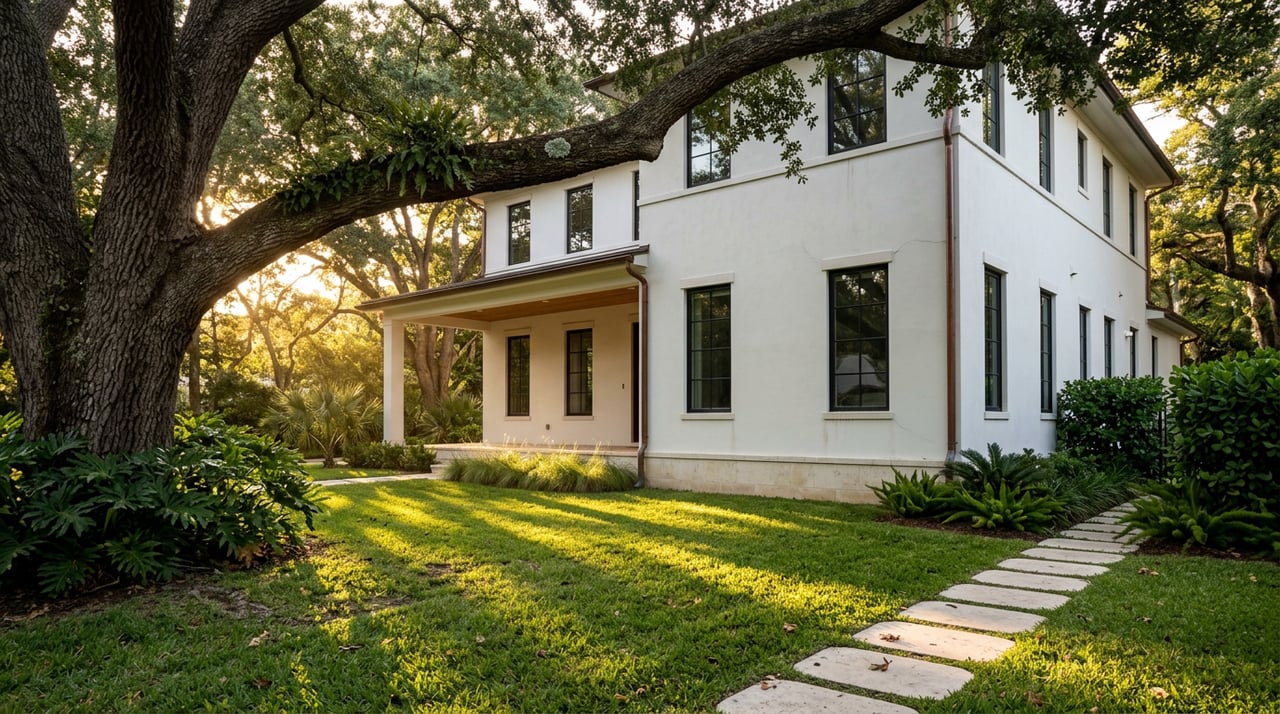
In Coconut Grove, lot characteristics can shape value almost as much as the house itself. The City of Miami’s NCD-3 rules protect the neighborhood’s landscaped character, tree canopy, green space, and architectural variety. The ordinance also emphasizes the Grove’s unique lot sizes and shapes and discourages re-platting or reconfiguring properties in ways that damage green space, medians, landscape easements, or road configuration.
For you as a buyer, that means the site deserves close attention. Lot shape, tree canopy, setback requirements, driveway placement, and how much of the property is already covered by improvements can all affect how flexible the home will be in the future. A house that looks ideal today may offer less room for additions, outdoor redesign, or layout changes than you expected.
The same rules also require a substantial green-space ratio, limit height to 25 feet in the single-family district, and encourage front yards that reduce the visual impact of garages and use permeable surfaces. In practical terms, the value of a Coconut Grove house is often tied to how well the structure, landscaping, and site work together.
Part of Coconut Grove’s appeal is its architectural character. The city’s historic-preservation guidance highlights home types that buyers will often encounter here, including Bahamian or Conch houses, bungalows, and frame-vernacular homes.
Conch houses are typically raised on posts or masonry piers and often include broad roofs and front porches. Bungalows are often one to one-and-one-half stories, with wood-frame construction, deep porches, and wide eaves. These details can create a lot of charm and personality, especially for buyers who value site character and a distinct sense of place.
At the same time, older homes may come with more exterior upkeep than newer masonry construction. If you are considering an older Coconut Grove house, it is wise to look carefully at condition, maintenance history, and how the home’s materials may affect long-term ownership.
If you are exploring parts of West Coconut Grove, design context can matter even more. The City of Miami describes a Caribbean Cultural District intent in parts of the area, with new buildings expected to reflect native building traditions and the legacy of early settlers.
That does not just matter to developers. It can also affect buyers who are thinking about a tear-down, major addition, or highly visible facade changes. If future customization is part of your plan, it is smart to understand those design expectations before you buy.
Coconut Grove’s beauty and proximity to Biscayne Bay are part of what make it special, but water-related due diligence is essential. Miami-Dade County notes that the county is close to sea level and has groundwater just below the surface, so major rain events can produce flooding.
The county also states that flood insurance is required for federally backed mortgages in a Special Flood Hazard Area, and the policy does not take effect until 30 days after purchase. That waiting period matters if you are on a tight financing timeline or need to understand your carrying costs early.
Flood-zone status should never be treated as a minor detail in Coconut Grove. It can affect financing, insurance, renovation decisions, and your day-to-day comfort during heavy rain events.
If you are buying an older home with plans to renovate, there is another rule to keep in mind. Miami-Dade County says that if a house in a flood zone is damaged or improved by more than 50% of its market value, it must be raised to current elevation requirements.
This is a major issue for buyers considering homes with charm but also deferred updates. A renovation that seems straightforward at first can become much more complex and expensive if elevation requirements are triggered. That is why flood-zone verification, elevation documents where available, and a realistic renovation scope should be part of your early decision-making.
Waterfront or bay-adjacent homes can offer a very different ownership experience, and they deserve a more detailed review. The city’s current seawall work in Fair Isle and South Grove Bayside includes raising or replacing seawalls, dredging, and drainage improvements designed to reduce localized flooding and protect about $178M in property value.
If you are buying near Biscayne Bay, ask specific questions about:
These are not side issues in a bay-adjacent purchase. They can influence both your budget and your long-term peace of mind.
Some buyers start their search planning to buy a house, then wonder if a condo might be the simpler choice. That is a fair comparison, especially in Coconut Grove, where single-family homes and condos can offer very different ownership experiences.
In April 2026, Miami-Dade condo and townhome median sale price was $450,000, with 12.9 months of supply. Compared with the county’s single-family market, that is materially looser inventory. For buyers, that can mean more options on the condo side, though the cost structure and lifestyle are very different.
A single-family home usually gives you more direct control over the property, but it also shifts more responsibility to you. With a house, you are typically thinking about the roof, exterior, lot, drainage, trees, landscaping, and flood exposure in a much more hands-on way. A condo may reduce some of that maintenance burden, but it comes with a different ownership model and building-related considerations.
Before you move forward on a Coconut Grove single-family home, keep your due diligence focused on the issues that matter most in this submarket.
Use this checklist as a starting point:
In Coconut Grove, the right home is not always the one with the most dramatic first impression. Often, it is the one that gives you the best balance of lifestyle, long-term flexibility, and informed ownership.
Coconut Grove offers a rare mix of privacy, greenery, architecture, and bay proximity that continues to attract buyers looking for something more distinctive than a standard Miami address. But because this market is nuanced, buying well takes more than falling in love with a home online.
You need a strategy that looks at pricing, location, lot constraints, design context, and water-related risk together. When you understand those layers, you can move with more confidence and choose a home that truly fits the way you want to live.
If you are exploring Coconut Grove and want thoughtful guidance tailored to your goals, Erika Rodriguez offers a personalized, hands-on approach to help you navigate Miami’s luxury home market with clarity and confidence.
Stay up to date on the latest real estate trends.

Experience a refined approach to real estate with Erika Rodriguez. Combining strategic insight, global reach, and dedicated service, she helps you discover exceptional properties that reflect your lifestyle and vision.
Let's Connect
ADDRESS
13595 SW 134th Ave
Miami FL 33186