Pinecrest Lifestyle Guide For Miami Families
July 9, 2026
July 9, 2026
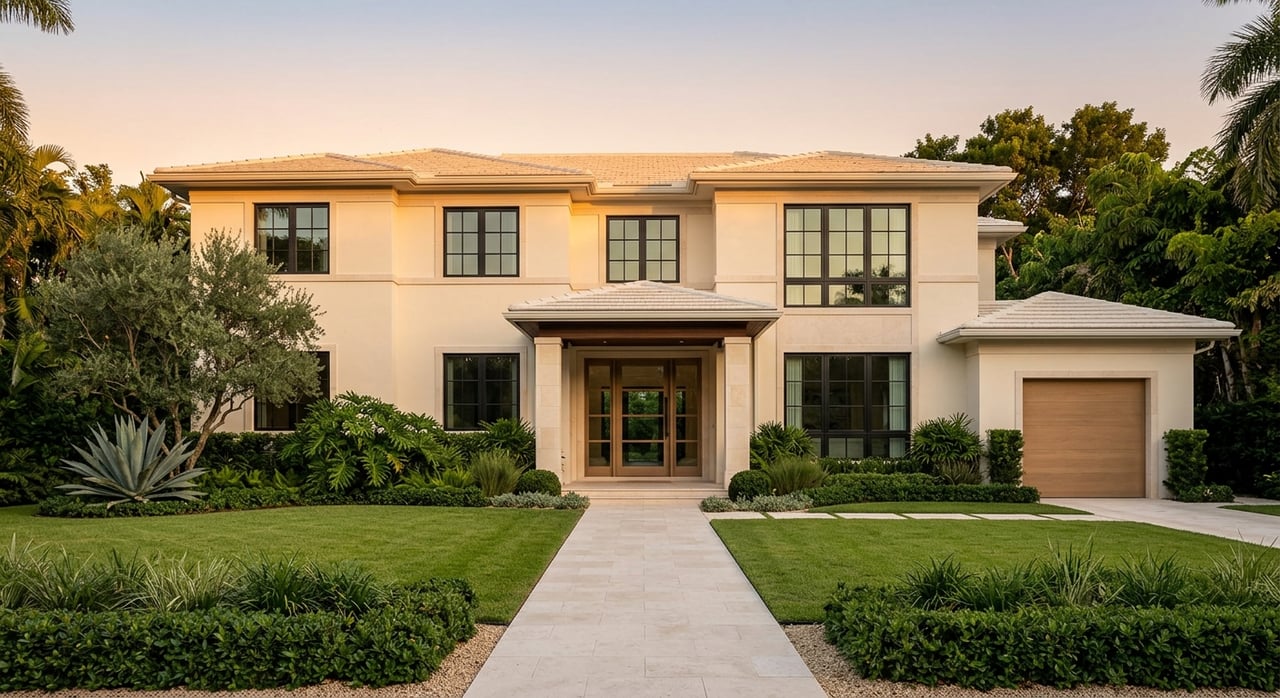
Looking for more space without losing your connection to Miami? Pinecrest stands out for families who want a greener, quieter daily rhythm while staying within reach of the city. If you are weighing lifestyle, convenience, and long-term fit, this guide will help you understand what living in Pinecrest actually feels like. Let’s dive in.
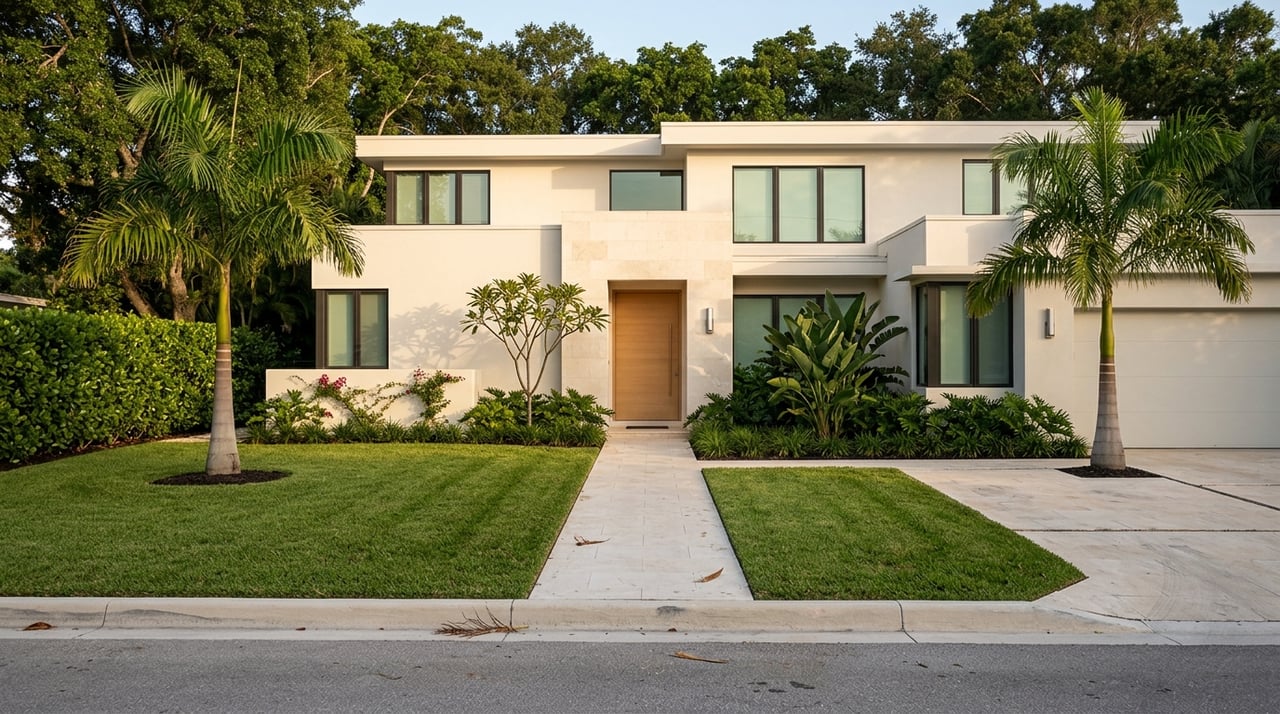
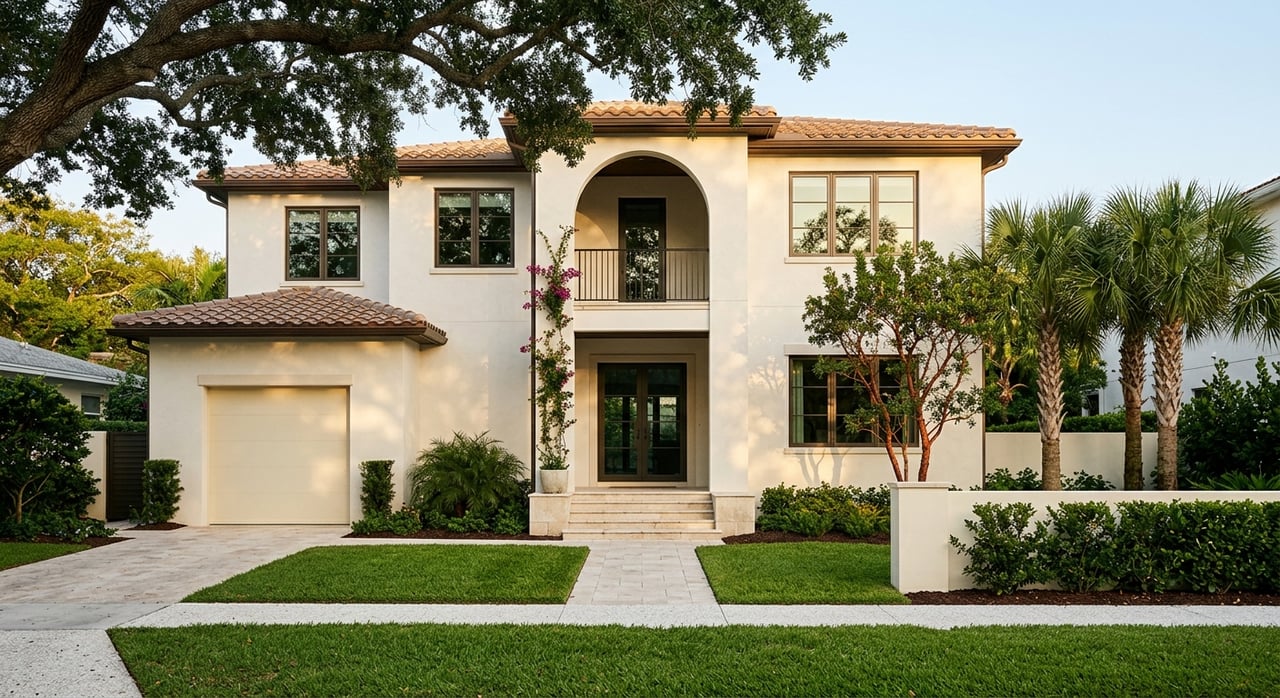
Pinecrest is a small village in Miami-Dade with about 18,600 residents across roughly 7.4 square miles. The village describes itself as tree-lined with large estate lots, and that character shows up in the way the area feels from day to day. Instead of a tightly built environment, you get a more open and privacy-oriented setting.
That lower-density feel is not accidental. Pinecrest’s zoning includes a Residential Suburban category of one unit per 15,000 net square feet, which helps preserve the spacious layout many buyers notice right away. For families moving up in size or looking for a calmer home base, that can be a major part of the appeal.
The area also reflects long-term ownership patterns. Census data show an owner-occupancy rate of 82.8%, along with an average household size of 3.03 persons. Combined with strong computer and broadband subscription rates, Pinecrest often fits households that want room to live, work, and study from home more comfortably.
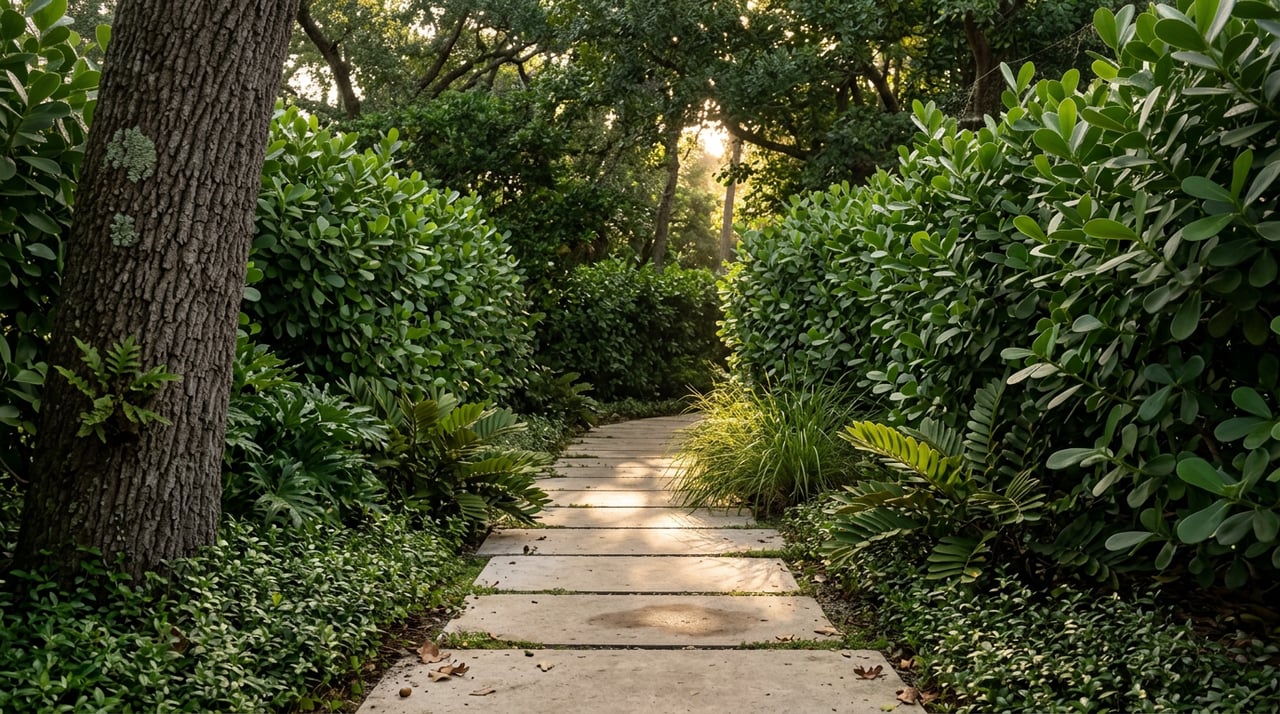
Pinecrest offers a lifestyle that feels residential first. You are not choosing it for a dense, urban pace. You are choosing it for mature trees, larger lots, and a routine that can revolve around local parks, programs, and community spaces.
For many families, that means everyday life becomes easier to imagine. After-school activities, weekend outings, and casual errands can happen close to home rather than always feeling like a drive to a destination. That sense of local rhythm is one of Pinecrest’s strongest lifestyle advantages.
Parks and recreation are central to how many families use Pinecrest. The village has built a strong network of public spaces that support both active routines and relaxed weekend time. If you value outdoor access and family-friendly amenities, this is one of the area’s biggest strengths.
The Pinecrest Community Center is a true hub for village life. It includes fitness, STEAM, arts, health, youth and adult programs, indoor play, a café, event spaces, and a large outdoor playground. For busy households, having so many activities in one place can make scheduling much simpler.
Its location also adds to the convenience factor. When a community center becomes part of your normal weekly routine, it can change how connected you feel to where you live. In Pinecrest, that local access is a meaningful part of the lifestyle.
Coral Pine Park adds another layer to the family routine. This nine-acre park includes a playground, great lawn, lighted walking paths, tennis courts, pickleball courts, and a 2.9-acre pineland preserve. It gives you options for everything from casual afternoon playtime to evening walks.
For households that want variety without needing to leave the neighborhood, this kind of park access matters. It supports both structured activities and simple outdoor downtime. That flexibility is part of what makes Pinecrest feel easy to live in.
Red Road Linear Park is especially useful if you enjoy walking or biking. It offers a 2.5-mile lighted walking and bicycle path along the Snapper Creek Canal. That gives residents a practical and scenic option for exercise and fresh air.
A lighted path also adds value beyond weekends. You may find it easier to fit in a walk before work, after dinner, or between other commitments. In a family-focused community, those small conveniences can make a big difference.
Pinecrest Gardens adds a cultural and botanical element to daily life. This 14-acre destination welcomes more than 140,000 visitors a year, according to the village. It helps give Pinecrest a community identity that goes beyond residential streets and private homes.
Next door, the Pinecrest Branch Library supports families with programming, STEAM opportunities, digital literacy, and a large collection. Together, the gardens, library, and community center create a compact civic core that many families find appealing. It makes local living feel richer and more connected.
Pinecrest also has a neighborhood-oriented weekend rhythm. The village highlights its farmers market as a local fixture, and it notes that Miami New Times voted it Best Farmers Market in 2021. For many buyers, that kind of recurring community activity says a lot about how an area feels beyond the homes themselves.
This matters because lifestyle is not only about square footage. It is also about whether your weekends feel convenient, pleasant, and rooted in the area where you live. Pinecrest’s public spaces and community programming support that sense of place.
Pinecrest offers a quieter residential setting, but it remains well connected to the broader Miami area. The village sits south of Downtown Miami and Miami International Airport, and US-1, also called Pinecrest Parkway, forms its western edge. More than 750 businesses line that corridor, giving residents access to a wide range of everyday services and destinations.
For many buyers, this balance is key. You can enjoy a more private, suburban rhythm at home while still maintaining access to work, shopping, and the larger cultural life of Miami-Dade. That combination is a major reason Pinecrest continues to attract move-up and relocating households.
Pinecrest also offers mobility options that add flexibility to daily life. The Pinecrest People Mover is a free bus circulator with northern, central, and southern routes, along with separate middle-school and high-school schedules and Metrobus connections. That can be especially useful for families managing school routines and local errands.
The village also offers Freebee, a free on-demand ride service that connects local destinations with the South Dade Transitway and Metrorail. While Pinecrest still feels primarily residential and low density, these services add convenience in ways some buyers may not expect. They can help reduce the all-or-nothing dependence on driving for every local trip.
For many families, schools are part of the long-range planning process when choosing a neighborhood. Pinecrest’s schools page lists five public schools that serve village families: Palmetto Elementary, Pinecrest Elementary, Howard Drive Elementary, Palmetto Middle, and Miami Palmetto Senior High. The village also points to several private-school options in and around Pinecrest.
What matters most in a home search is often not just current needs, but how a location may support you over time. Pinecrest’s combination of school-oriented transportation, youth programs, parks, and civic amenities can make it easier to picture a longer stay. That is often valuable for buyers who want a home and location that still feel right years from now.
Pinecrest is often a strong match for dual-income households and move-up buyers who want more space, more privacy, and a mature tree canopy. It can also appeal to families relocating to Miami who want a residential environment that still feels connected to major employment and cultural centers. If your ideal home life includes room to spread out and a calmer day-to-day setting, Pinecrest deserves a close look.
This is also a market where lifestyle fit matters as much as the house itself. A beautiful property can still feel wrong if the surrounding routine does not support how you want to live. Pinecrest tends to work best for buyers who value space, greenery, and a more suburban cadence.
Every neighborhood comes with tradeoffs, and Pinecrest is no exception. Census data show a median owner-occupied home value of $1,406,400, which reflects the area’s premium price point. Buyers should go in with a clear understanding that Pinecrest often represents a higher entry cost in exchange for space, privacy, and setting.
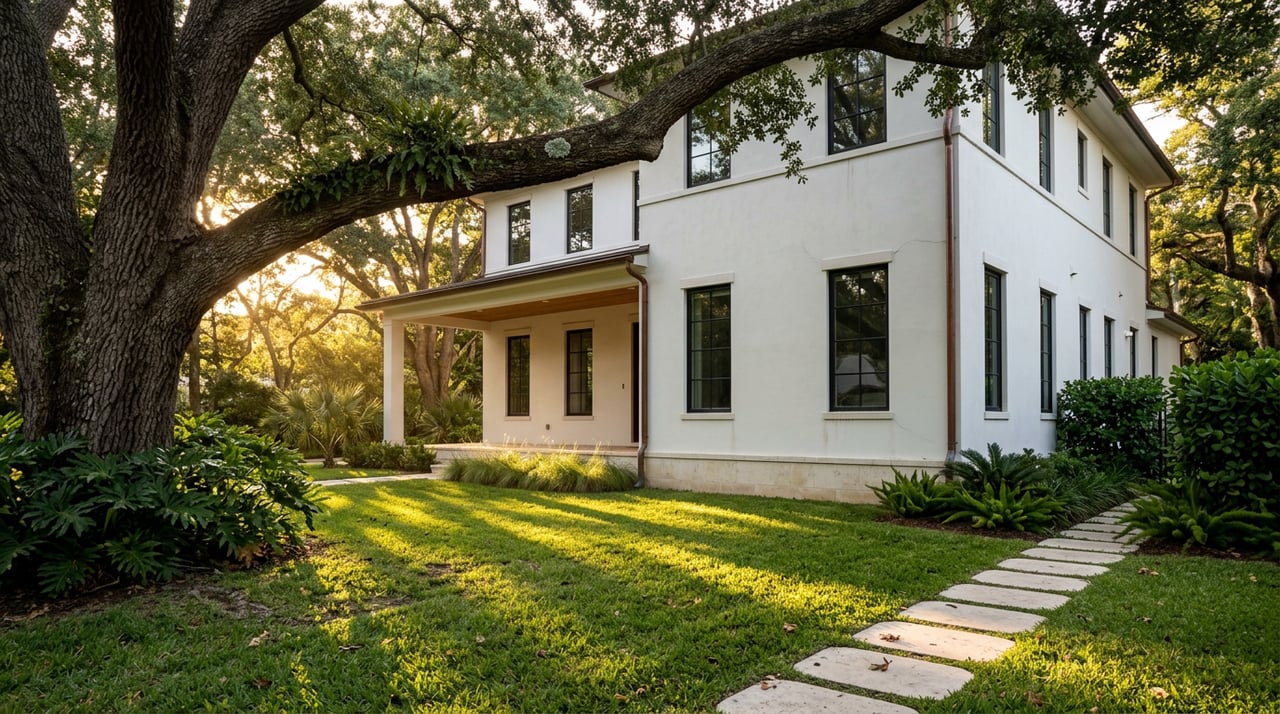
Larger lots can also mean more upkeep. Tree-forward landscaping and broader property footprints often require more attention than a smaller urban lot or condo lifestyle. The village does offer free and low-cost tree programs for swales and private property, which reinforces how important landscape care is to the local character.
There is also the pace to consider. Pinecrest offers a more suburban rhythm than denser neighborhoods in Miami. For many families, that is the goal, but it is still helpful to be honest about the difference when comparing areas.
In Pinecrest, real estate is very much a lifestyle decision. The homes, lot sizes, parks, and public amenities work together to create a specific way of living. If you are searching for elegance, comfort, and day-to-day function, Pinecrest can offer a compelling mix of all three.
The key is knowing whether that mix aligns with your priorities. Some buyers are happiest in a denser, more fast-paced setting. Others want space to grow, more privacy, and a strong community routine close to home. Pinecrest tends to stand out for the second group.
If you are comparing Pinecrest with other premium Miami neighborhoods, a thoughtful home search should look at more than finishes and price per square foot. It should also consider how each area supports your routines, goals, and long-term plans. If you want guidance tailored to that bigger picture, Erika Rodriguez can help you explore Pinecrest with a calm, informed, and personal approach.
Stay up to date on the latest real estate trends.
Experience a refined approach to real estate with Erika Rodriguez. Combining strategic insight, global reach, and dedicated service, she helps you discover exceptional properties that reflect your lifestyle and vision.
Let's Connect
ADDRESS
13595 SW 134th Ave
Miami FL 33186