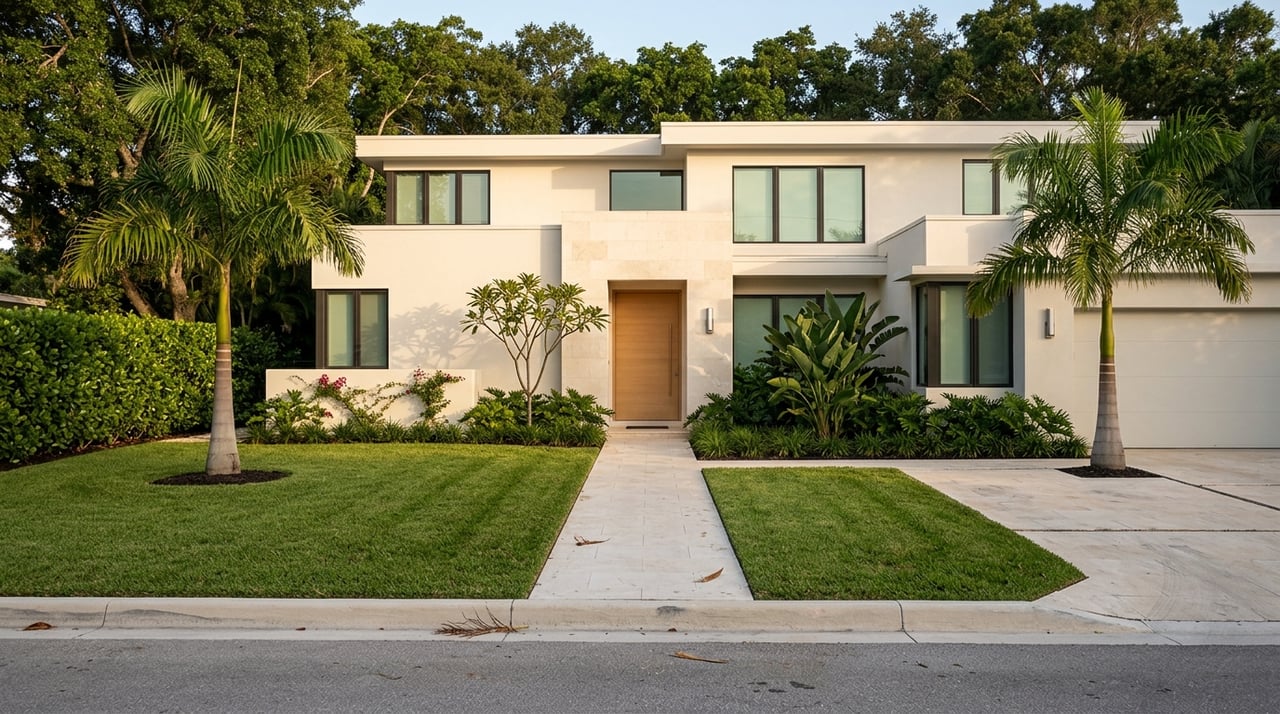
Relocating To Coconut Grove From Out Of State
June 25, 2026
June 25, 2026
Thinking about a move to Miami, but not sure where Coconut Grove fits into the picture? If you want a neighborhood that feels greener, more relaxed, and more connected to the water than many other parts of central Miami, Coconut Grove often rises to the top of the list. For out-of-state buyers, the key is understanding that the Grove is not one single experience, and this guide will help you sort through lifestyle, housing, commute, and due diligence so you can relocate with more clarity. Let’s dive in.
Coconut Grove is widely known as Miami’s oldest neighborhood, with a bayfront setting, a village-scale core, and a canopy of mature trees that gives it a very different feel from many nearby areas. Local civic and tourism sources consistently highlight its shoreline parks, boating culture, banyan trees, live oaks, and deep local history.
If you are moving from out of state, that character can be part of the appeal. The neighborhood offers a more residential, coastal atmosphere while still keeping you close to central Miami. You get a setting shaped by outdoor living, walkable areas, waterfront dining, and access to Biscayne Bay.
One of the biggest mistakes relocating buyers make is assuming Coconut Grove feels the same from block to block. It does not. City planning materials make it clear that the neighborhood includes distinct areas with different building patterns, street character, and development rules.
For you, that means home shopping should start with lifestyle fit before you focus only on square footage or finishes. The right part of Coconut Grove depends on how you want your days to feel, how you plan to commute, and how much maintenance and density you are comfortable with.
Near the Coconut Grove Metrorail Station, you will find a more transit-oriented pocket of the neighborhood. Grove Central sits beside the station and includes residential units, retail, parking, and a connection to The Underline, with the historic heart of Coconut Grove within walking distance.
This area may suit you if convenience is high on your list. If you want quicker access to rail, nearby retail, and a more lock-and-leave style of living, this part of the Grove can feel practical and connected.
Outside the station area, much of Coconut Grove reflects a lower-rise historic fabric. City neighborhood conservation materials and design guidelines point to block-by-block character, traditional building forms, mature landscaping, and architectural rules that shape how new construction fits into the area.
If you are drawn to a more residential setting, this is where your search may start to feel more lifestyle-driven. These streets often appeal to buyers who care about privacy, greenery, and a home that feels rooted in the neighborhood’s long-standing identity.
For many out-of-state buyers, this is the first real decision. Coconut Grove can support both paths, but each one comes with a different daily rhythm.
Condos and apartments are more naturally concentrated near the station area, CocoWalk, and the mixed-use core. In general, the appeal is convenience and lower day-to-day maintenance, especially if you travel often or want a more turnkey move.
Single-family homes are more closely tied to the Grove’s low-rise residential character. If you are looking for a quieter setting, mature landscaping, and a stronger sense of individual property identity, a house may align better with your goals.
A good way to frame the choice is this: do you want ease and access, or do you want space and neighborhood texture? Neither is better across the board. The right answer depends on your routine, your priorities, and how you want to experience Miami.
Coconut Grove’s connection to the water is not just marketing language. It is one of the neighborhood’s defining features. Dinner Key Marina and Mooring Facility has 587 slips and 250 moorings, and the City of Miami describes it as the largest wet-slip marina on the U.S. East Coast.
That boating identity spills into the broader lifestyle around the neighborhood. The area is known for sailing, waterfront recreation, and public spaces where you can experience Biscayne Bay as part of your normal routine.
Coconut Grove’s waterfront feel is reinforced by its parks and historic sites. Peacock Park, David T. Kennedy Park, Regatta Park, Vizcaya Museum and Gardens, and The Barnacle Historic State Park all contribute to how the neighborhood lives and feels.
This matters when you are buying because you may not need a direct waterfront property to enjoy the water. In many cases, being within walking distance of the parks, marina, or bayfront public areas can deliver much of the lifestyle without requiring a true waterfront purchase.
If being near the bay is part of your reason for moving, compare more than the unit or house itself. Pay attention to how close you are to marina access, public parks, walking routes, and the shoreline experience you actually want to use.
Some buyers want a full boating setup. Others simply want water views, breezes, and an easy walk to the bay. Being clear on that difference can save you time and sharpen your search.
For many relocating buyers, Coconut Grove works well because it gives you options. Miami-Dade’s 25-mile Metrorail system serves downtown Miami, Miami International Airport, Coral Gables, Kendall, and other parts of the county, and it runs from 5 a.m. to midnight seven days a week.
The Coconut Grove station is located at SW 27 Avenue and US 1, next to Grove Central. County transit maps also show bus connections from Coconut Grove Station, including Routes 22 and 27/27A, and Metrorail offers free bus-to-rail transfers.
If you are moving from out of state, think of Coconut Grove as a place where a hybrid commute can make sense. You may still use a car for errands and parts of your routine, while using rail for downtown trips, airport runs, or certain workdays.
That flexibility is one of the neighborhood’s practical strengths. Still, your experience will vary depending on where inside the Grove you live, so location within the neighborhood matters just as much as location on a larger Miami map.
South Florida living comes with a seasonal rhythm, and it helps to understand that before you buy. The region is known for warm, humid, rainy summers and mild, drier winters. Atlantic hurricane season runs from June 1 through November 30.
Coconut Grove also has a social rhythm that can feel different by season. Summer tends to slow down, while winter and spring bring more visible activity, including events like the Coconut Grove Arts Festival in February.
If you are visiting before a move, try to notice not only the property but also the time of year. A home can feel very different in a dry, active winter week than it does during a rainy summer stretch.
When you are buying remotely, your process needs to be more intentional. In Coconut Grove, that means combining lifestyle research with parcel-level verification and property-specific questions.
A strong starting point is the Miami-Dade Property Search, where you can review the folio, address, subdivision, aerial view, and tax-roll information. You can also use Miami-Dade Address Search to verify the exact parcel or intersection on the county map.
Because Coconut Grove is closely tied to the bay, flood due diligence should happen early, not late. Review Miami-Dade Flood Zone Maps and the FEMA Flood Map Service Center before you make assumptions about flood risk or insurance costs.
Even buyers who do not want direct waterfront property should pay attention to this step. In a neighborhood with public shoreline access and strong water orientation, flood and insurance sensitivity can vary from property to property.
If you are considering a condo, ask for the current milestone inspection and Structural Integrity Reserve Study information. Florida law requires milestone inspections for qualifying condominium and cooperative buildings that are three stories or more, and it also requires reserve treatment tied to the SIRS for many qualifying condos.
This is one of the most important parts of condo due diligence for out-of-state buyers. A beautiful unit and strong location still need to be matched by a clear understanding of building obligations and financial planning.
Virtual home shopping works best when it goes beyond polished listing photos. For Coconut Grove, a smart remote-tour plan should help you understand the property, the block, and the lifestyle around it.
Ask for three types of viewings when possible:
That combination can reveal a lot. You get a better sense of traffic flow, parking conditions, walkability, and how the surrounding area feels in real-life conditions rather than perfect weather and ideal timing.
Before you commit to Coconut Grove, take a moment to narrow your priorities. The clearer you are, the easier it becomes to choose the right micro-market and property type.
Consider these questions:
For many buyers, Coconut Grove is compelling because it blends lifestyle and practicality. You can enjoy a bayfront setting, mature greenery, and a more residential feel while staying connected to the rest of Miami.
The key is making a decision based on how you want to live, not just on what looks good online. If you want a calm, informed relocation experience with local guidance tailored to your goals, Erika Rodriguez can help you compare homes, micro-markets, and next steps with confidence.
Stay up to date on the latest real estate trends.


Experience a refined approach to real estate with Erika Rodriguez. Combining strategic insight, global reach, and dedicated service, she helps you discover exceptional properties that reflect your lifestyle and vision.
Let's Connect
ADDRESS
13595 SW 134th Ave
Miami FL 33186