What It Is Like To Live In Coconut Grove
June 11, 2026
June 11, 2026
Wondering whether Coconut Grove feels more like classic Miami or a world of its own? In many ways, it is both. If you are looking for a neighborhood with bayfront access, mature trees, walkable pockets, and a lifestyle that feels a little more relaxed than some of Miami’s denser districts, Coconut Grove stands out. This guide will help you understand what daily life here actually feels like, from parks and marinas to housing character and local rhythm. Let’s dive in.
Coconut Grove is one of Miami’s oldest neighborhoods, and the City of Miami describes it as Miami’s original neighborhood, founded in 1873. That history still shapes the area today. The city’s conservation-district language points to a neighborhood defined by historic character, abundant landscaping, tree canopy, green space, and architectural variety.
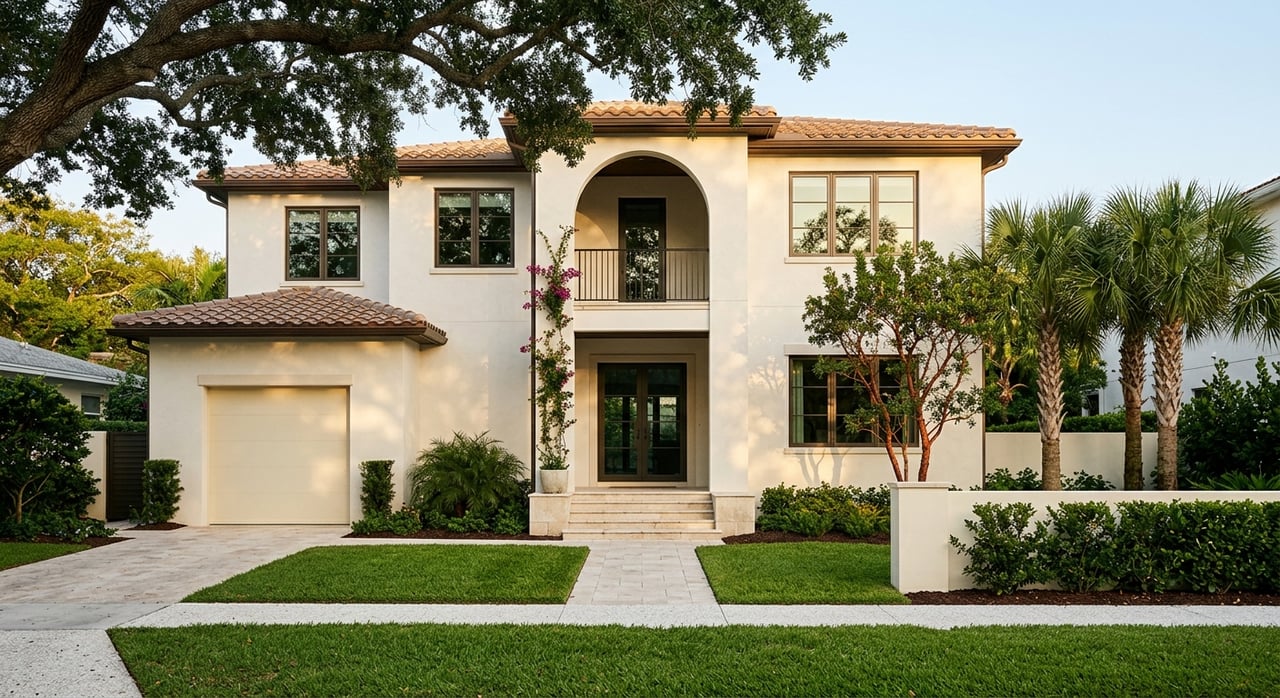
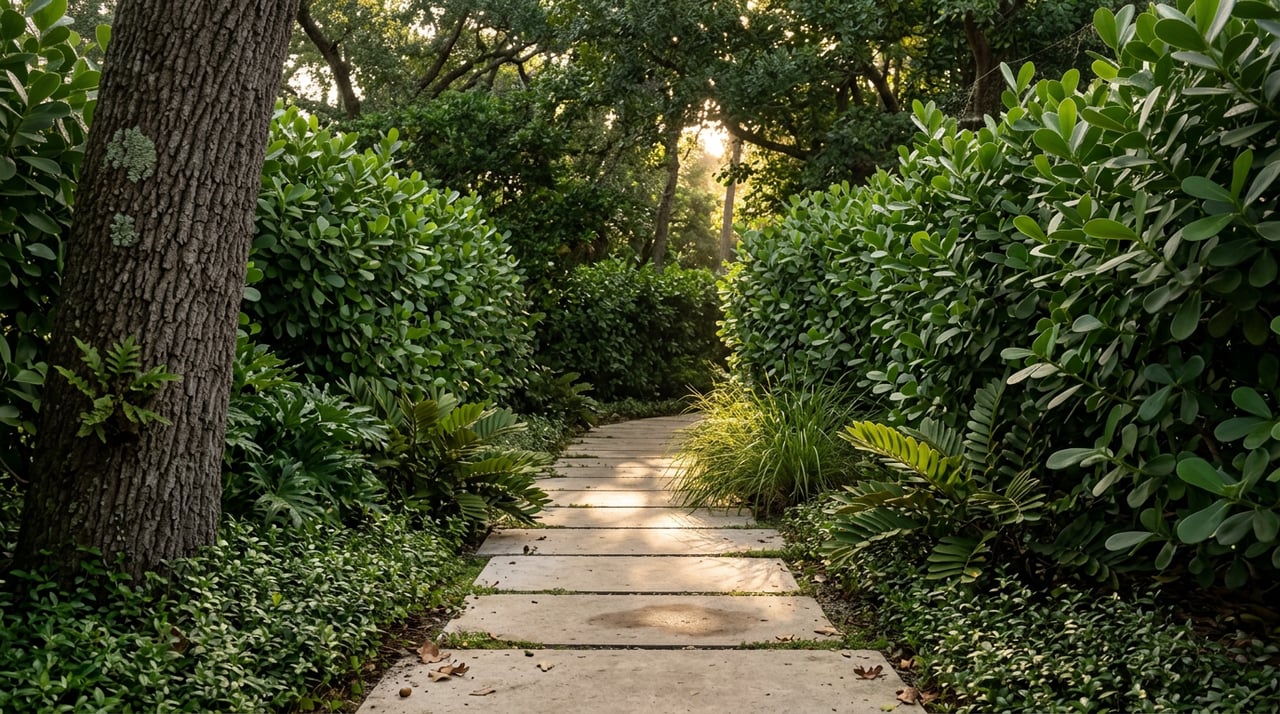
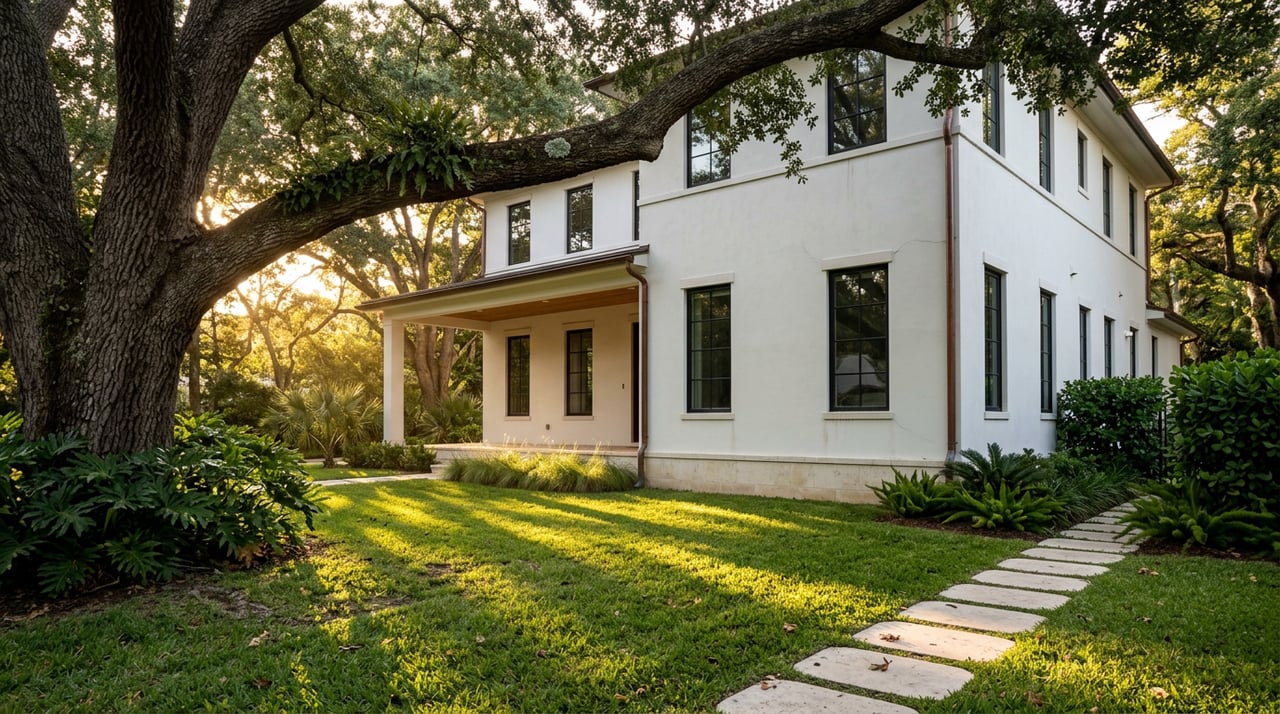
For you as a resident, that often translates into a more village-like atmosphere. Instead of feeling dominated by high-rise density, many parts of the Grove feel leafy, layered, and connected to the bay. Public open space, tropical vegetation, historic structures, and recreational amenities all play a role in that everyday experience.
One of the most helpful things to know is that Coconut Grove is not a single uniform submarket. The City of Miami notes that its Coconut Grove Neighborhood Conservation Districts include several distinct, unofficial neighborhoods. That means your experience can vary depending on which pocket of the Grove you choose.
Some areas feel especially close to the commercial core, where you can enjoy a more walk-to-dinner lifestyle. Other sections feel quieter, more residential, and more tucked into the landscape. The city trolley route also links important local stops like Coconut Grove Metrorail Station, Douglas Road Metrorail Station, Grove Central, parks, shopping areas, and City Hall, which helps connect the neighborhood’s different zones.
If being outside matters to you, Coconut Grove offers a strong everyday connection to the water and to open space. This is one of the biggest reasons many buyers are drawn here. The neighborhood’s parks, bayfront setting, and marina access make outdoor time feel built into the routine rather than saved for weekends.
You may find yourself walking under a heavy tree canopy in the morning, spending time by the bay in the afternoon, or meeting friends outdoors in the evening. That kind of rhythm is part of the Grove’s identity.
Dinner Key Marina is one of Coconut Grove’s defining amenities. According to the City of Miami, it includes 587 wet slips and more than 250 moorings and serves transient, seasonal, long-term, and liveaboard customers. The city also describes it as a park-like setting near Historic City Hall and within walking distance of groceries, dining, and shopping.
That matters because it gives the neighborhood a real waterfront presence, not just water views from a distance. Whether you boat regularly or simply enjoy being near marinas and bay activity, Dinner Key adds to the Grove’s sense of place.
Coconut Grove’s park network helps make the neighborhood feel livable and flexible. Peacock Park is a 9.4-acre waterfront urban park with open areas, picnic tables, a playground, a recreation center, bike racks, and waterfront access. Kennedy Park adds bicycle paths, a dog park, outdoor gym equipment, volleyball, and waterfront frontage.
Regatta Park adds another layer with a boat ramp, picnic tables, and waterfront access. Together, these public spaces support walking, biking, boating, dog-friendly recreation, and casual time by the bay. If you want a neighborhood where green space is visible and usable, Coconut Grove offers that in a meaningful way.
The Grove’s connection to nature and history is reinforced by local landmarks. The Barnacle Historic State Park preserves the 1891 Coconut Grove home of Ralph Middleton Munroe along with large old trees and a natural bayfront landscape. The nearby Marjory Stoneman Douglas House reflects the neighborhood’s long environmental and cultural legacy.
These places add more than visual charm. They help explain why Coconut Grove feels rooted, layered, and different from newer master-planned or more vertical areas of Miami.
Coconut Grove’s commercial core is one of the neighborhood’s strongest lifestyle features. It is compact enough to feel navigable, but active enough to give you plenty to do. The Coconut Grove BID focuses on protecting and enhancing the vitality of the commercial core, and that shows in the mix of shops, dining, and gathering places.
CocoWalk describes itself as an iconic open-air mall in downtown Coconut Grove with boutiques, eateries, bars, cafes, and a 13-screen movie theater. The BID’s 2022 to 2023 annual report also noted the addition of 16 new restaurants and 14 new merchants in two years, which points to a business district that is evolving rather than standing still.
The current business mix in Coconut Grove feels eclectic. Based on the BID directory, the area includes upscale steakhouse dining, Latin American restaurants, Italian-inspired cafes, gelato spots, health-focused cafes, and other specialty concepts. That variety supports a lifestyle where coffee, brunch, dinner, or an easy evening out can all happen close to home.
For many residents, this creates a rhythm that feels social without feeling overwhelming. You can enjoy a neighborhood center that is lively and useful, while still returning home to streets and homes that often feel calmer and more residential.
Coconut Grove is not just about amenities. It also has a visible community calendar that adds energy and identity throughout the year. If you value places with established traditions, that can be a meaningful part of living here.
The Coconut Grove Arts Festival brings together more than 280 artists along the Biscayne Bay shoreline. The King Mango Strut is a free parade that draws more than 10,000 spectators, and the Secret Garden Tour highlights historic and contemporary private gardens within walking distance of one another in South Coconut Grove. These events reinforce the neighborhood’s creative, outdoors-oriented, and locally rooted feel.
From a real estate perspective, one of the most interesting things about Coconut Grove is that it does not offer a single housing type. Instead, it presents a mix shaped by preservation rules, older architecture, varied lot sizes, and carefully managed infill. That can make the search here more nuanced, but also more rewarding if lifestyle fit matters to you.
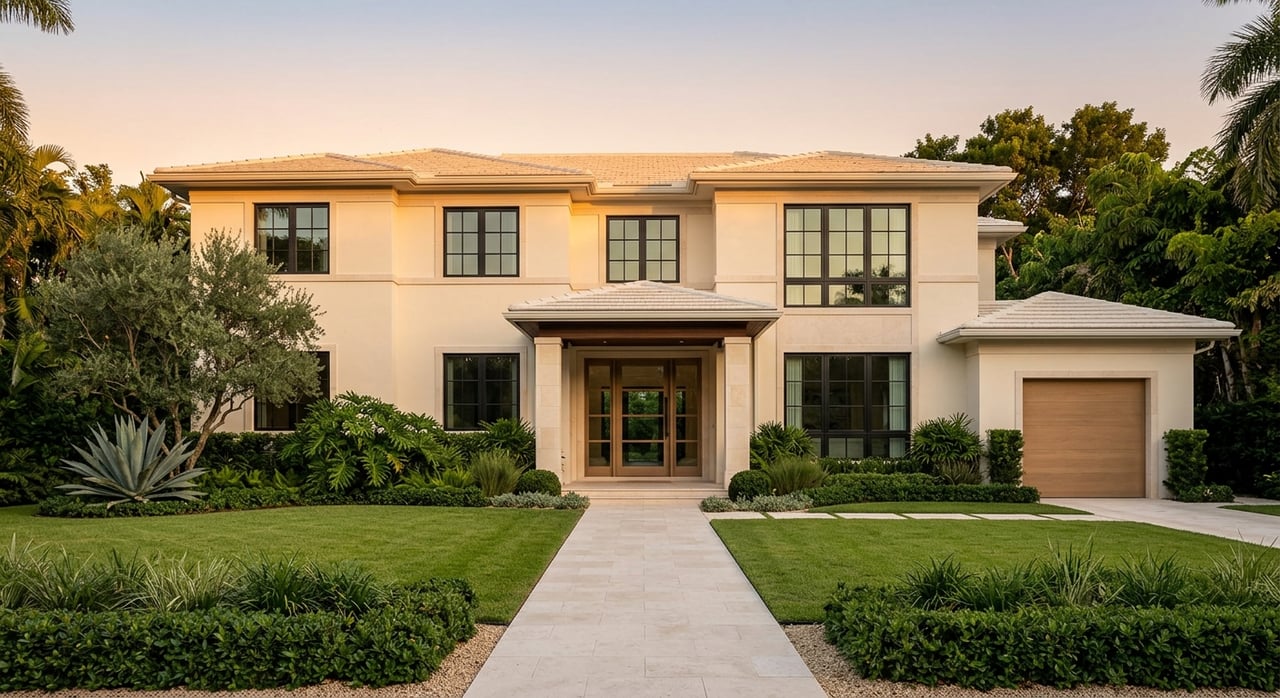
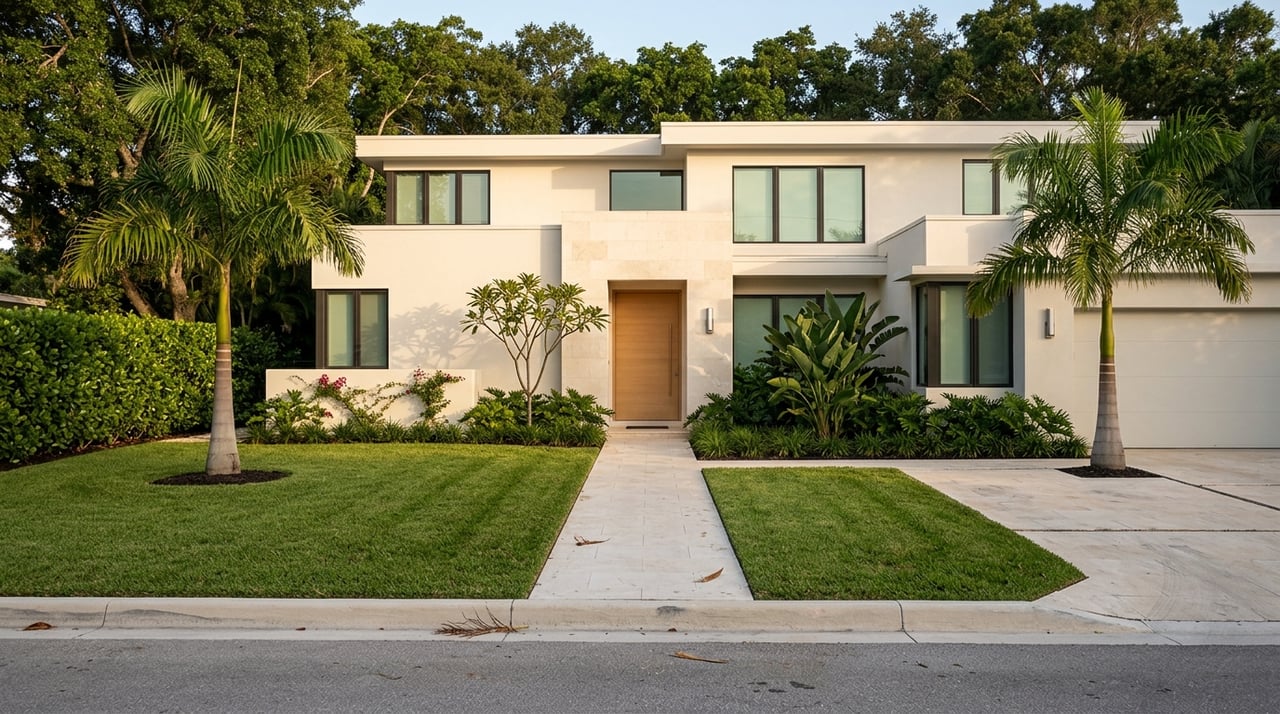
The neighborhood can appeal to buyers who want character, greenery, and location, but your options may look quite different from one street to the next. Some homes reflect older architectural traditions, while other properties sit on larger lots or offer a more updated residential experience.
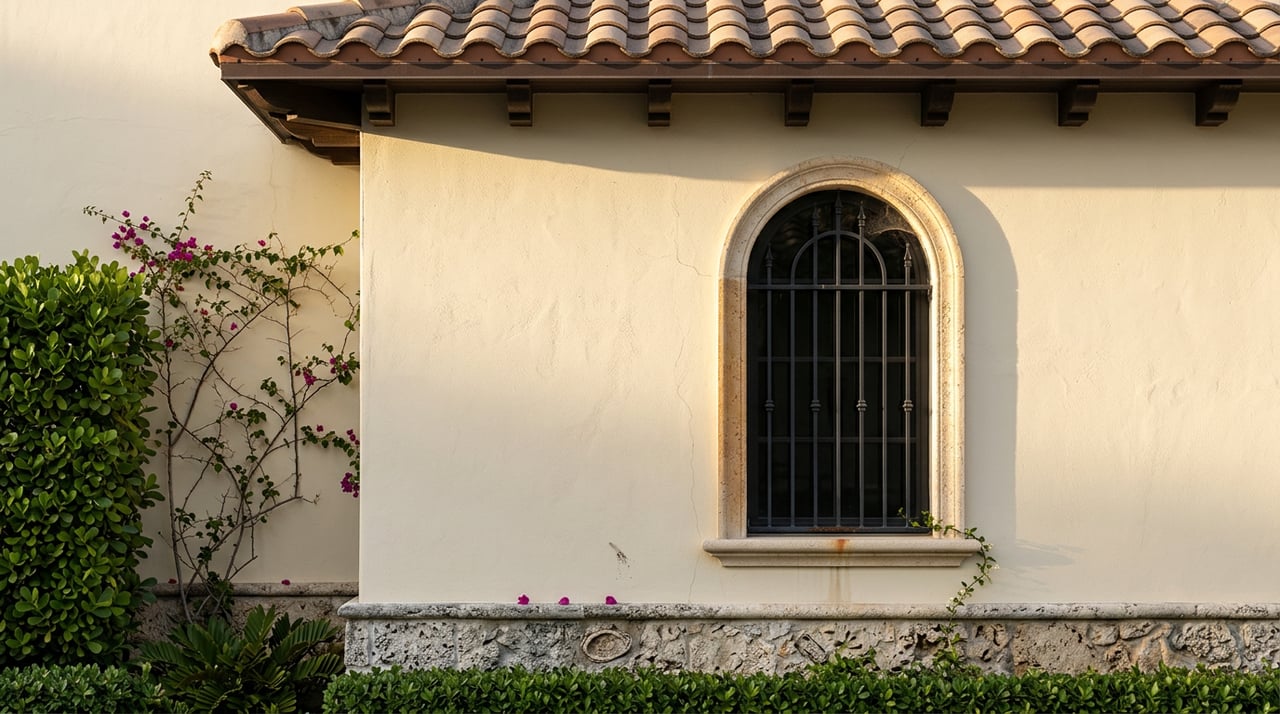
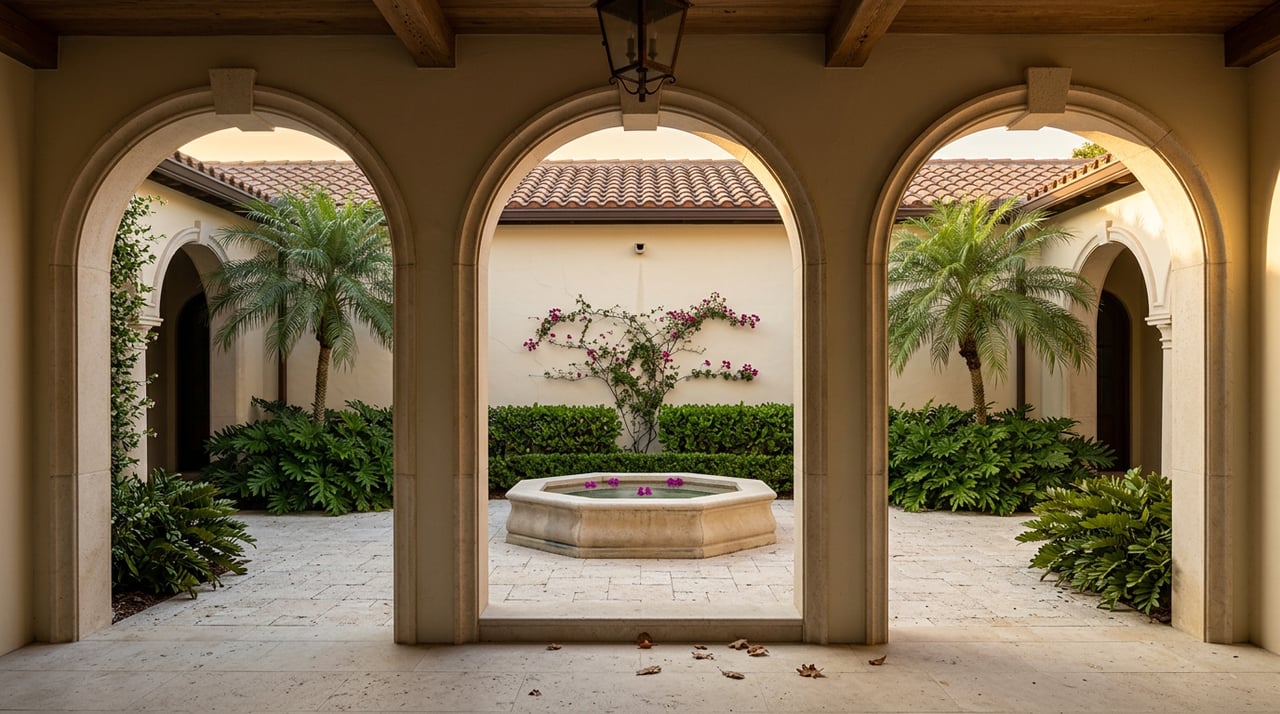
Miami’s Historic Preservation information identifies Bahamian, or Conch, houses in the Charles Avenue area of Coconut Grove. It also references broader local styles such as bungalows, frame vernacular, masonry vernacular, and Mediterranean Revival architecture. These types often include features like raised floors or piers, broad porches, and gable or hipped roofs.
For you, that can mean a neighborhood streetscape with more architectural texture and a more scaled residential feel than newer urban districts. Even when homes vary in age and style, the overall impression is often more layered and established.
The City of Miami says Coconut Grove’s conservation districts are designed to preserve the neighborhood’s historic and heavily landscaped character, protect the tree canopy, and preserve architectural variety. The zoning and conservation framework matters because it supports the qualities many buyers are looking for when they choose the Grove in the first place.
The city’s draft minimum-lot-size mapping also shows a range of lot scales, from 5,000-square-foot interior lots to 40,000-square-foot coastal areas. In practical terms, that means Coconut Grove can include preserved cottages and bungalows, larger coastal properties, and regulated infill rather than one predictable housing product.
So, what is it actually like to live in Coconut Grove? For many people, it feels like a balance of bayfront access, tropical greenery, established character, and a compact local center. You get a neighborhood where parks, marina activity, dining, shopping, and historic texture all shape day-to-day life.
It can be a strong fit if you want Miami access without giving up a sense of place. It can also be appealing if you are choosing based on lifestyle and atmosphere, not just square footage or building amenities. Coconut Grove offers a setting that feels both connected and distinct.
When buyers compare Coconut Grove with other Miami neighborhoods, they are often comparing more than homes. They are comparing how a place feels to move through, how much greenery they see, how close they are to the water, and whether daily life feels easy and enjoyable.
That is where neighborhood guidance matters. If you are weighing condos, townhomes, or single-family homes in Coconut Grove, the right choice often comes down to the pocket, the property type, and the lifestyle you want to build around it. If you want help understanding those trade-offs, Erika Rodriguez offers personalized guidance for buyers, sellers, and relocating clients across Miami’s premier residential neighborhoods.
Stay up to date on the latest real estate trends.
Experience a refined approach to real estate with Erika Rodriguez. Combining strategic insight, global reach, and dedicated service, she helps you discover exceptional properties that reflect your lifestyle and vision.
Let's Connect
ADDRESS
13595 SW 134th Ave
Miami FL 33186